Taking a puppy home is one of the most wonderful experiences for a family. It is also one of the most disorganized experiences. The first week is the foundation for all subsequent events, from how well the puppy will sleep to how soon the puppy trusts you. Planning ahead of time ensures that the week is spent forming a bond rather than going back to the store because of something forgotten.
The following guide discusses all of the necessities you should have as well as how to organize your house and get through those first seven days.
The Correct Time To Take Your Puppy Home
A puppy is generally old enough to be separated from its mother and brothers and sisters after eight weeks. At this age, he has learned valuable lessons in controlling his biting habits and building up social skills from his litter mates. An early separation from his litter makes him shy, bites constantly and unable to adapt.
Health is also a factor to consider. The puppy should have been vaccinated and dewormed when brought home, and the breeder should give you the vaccination card indicating the date and schedule of the next vaccinations. Ask for the health card and the details of the parents. Honest and ethical dog breeders in Navi Mumbai will be happy to provide you with all this information and won’t push you into taking a puppy early.
The Must Have Supplies List
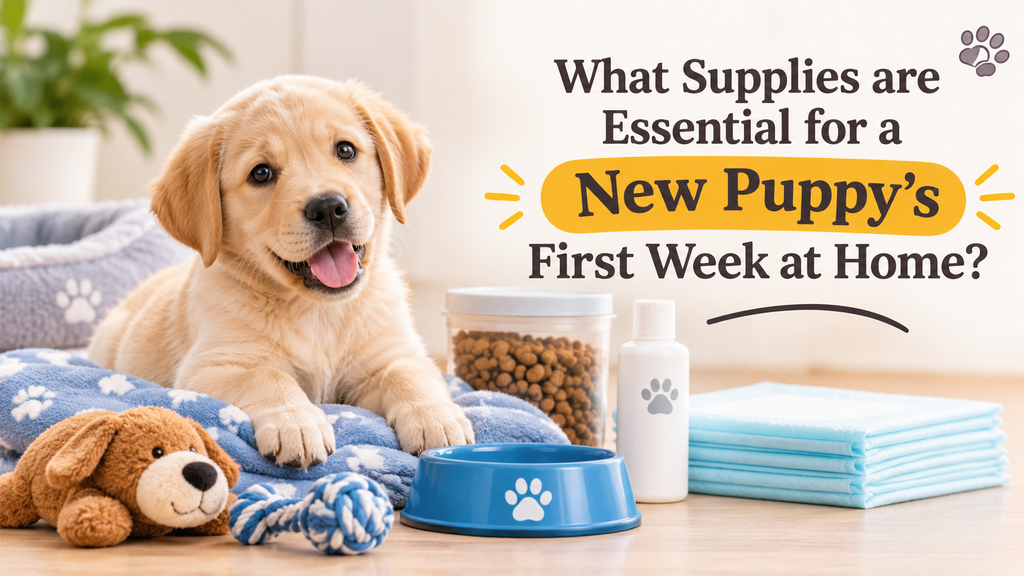
You don’t have to purchase everything that the pet stores sell. You only have to buy the necessary things. Below are the important items to purchase during the first week.
Dishes for Food and Water
Buy two bowls, one for the food and the other for the water. You should buy those made of stainless steel or ceramic. This is because plastic dishes are usually bitten, scratched and overturned easily. Purchase those which are suitable for the dog’s breed because a bowl meant for a large puppy such as Labrador will soon become small for the puppy.
Puppy Food
Determine the kind of food that your puppy has been eating and purchase the same brand. The most common cause of stomach problems in the first week is the abrupt change of diets. If you would like to change your puppy’s diet, do it gradually for about seven to ten days by adding the new food in increasing amounts in the old one. Buy the food meant for puppies.
A Comfortable Bed and Crate
Your puppy needs to have a safe and private space all his own. He needs his own little den or crate. This should not be used as a punishment, but as a space where your puppy can relax undisturbed. Find a crate big enough for your puppy to stand, move around and lie down, but not too big that a corner will serve as a bathroom. Give your puppy a soft and washable bed and a light blanket to lie on. Include something that smells like you – such as your old t-shirt – since familiar odors are soothing.
Collar, Leash and ID Tag
You need a lightweight, adjustable collar and a leash that is soft. Puppies grow fast and you need to check that the collar fits every few days, making sure you can slide two fingers underneath the collar comfortably. Put an ID tag on the collar as soon as possible because puppies sometimes manage to get lost through an open door. A well-fitted collar and leash also come in handy once your puppy is ready for dog training in Thane, where good leash manners are one of the first things taught.
Chew Toys
Puppies investigate everything using their mouths, and teething will make them want to do some chewing. Have some chewable rubber toys, a soft and fluffy toy, and a rope toy available. Providing chewable toys is important because it helps protect your furniture, shoes, and wires from damage. Stay away from toys with parts that can break off and get swallowed by your dog.
Cleaning Stuff
Accidents happen and thus you need to have an enzymatic cleaner to clean up your mess. While regular floor cleaners won’t be detected by humans, your puppy will recognize them and continue using the same spot for his business. Keep paper towels, poop bags, and a bin at hand.
Puppy Pads or Newspaper
For your puppy to be able to use their toilet outside until all vaccinations have been received, you will have to set up an indoor place for that purpose, using puppy pads or newspapers on a cleanable floor.
Training Treats
Healthy treats that are easily digestible are the perfect way to train your puppy. You should break them into small pieces to be able to give many rewards but without overfeeding.
Basic First Aid Kit
You should store your veterinarian’s telephone number and a basic first aid kit, including antiseptic, cotton swabs, digital thermometer, and sterile gauze bandages. It is recommended that you find out beforehand about your nearest 24-hour vet service.
Puppy-proofing Is as Crucial as Shopping
Puppy-proofing is as crucial as shopping. Get down on all fours and scout your environment from your puppy’s perspective. Cover all the wires, put your shoes and slippers away and secure your dustbin. Take the house plants away from your home as many of them may be harmful to puppies. Use a baby gate or playpen to bar access to the areas your puppy shouldn’t be in, like kitchen and balconies.
Choose a place for the puppy cage in a quiet yet accessible part of your house. Plan on where the potty place will be.
Your Daily Schedule for the First Week
This first week is all about gaining trust, establishing routines and instilling good habits. And here’s how you can go about doing that:
- Days 1 and 2: Give them space. This is a very stressful time for your new puppy as they have been uprooted from their natural surroundings. Allow them to explore and acclimatize themselves to the new environment. Introduce them to their water, bed and potty areas and have minimal visitors during these days.
- Days 3 and 4: Create routines. Dogs love routines. Feed your puppy at the same time daily which usually means feeding them three to four small meals per day. Take your puppy to the potty area after every meal, after sleeping and after playtime. Reward them generously when they do well.
- Days 5 to 7: Start learning gently. Introduce your puppy’s name and the command “sit” through treat training sessions. Crate training can be done by placing food nearby and throwing treats inside. Be ready for your puppy to cry at night. Calmness and consistency will make him get used to new surroundings much quicker. You may consider using a ticking clock or a hot water bottle wrapped in a towel to help him relax.
- Puppies need to rest. A doggy spends eighteen to twenty hours a day sleeping. Do not disturb him to play, do not allow the kids to drag him around. Resting is crucial for normal development.
- Make an appointment with the vet. You should bring your puppy to the veterinarian within one week. He will determine the vaccine scheme, deworming and diet.
Selecting a Reputable Breeder
The foundation of raising a healthy puppy lies in having the right breeder, which takes some time and investigation. Families often start their search with dog breeders in Navi Mumbai, but not all ads are equally reliable. Here are the things that need to be kept in mind.
- Documentation: A reputable breeder is registered properly. Find a government certified dog breeders in Navi Mumbai and request to see the documents.
- Visit the breeder: Always visit the place where the puppies live. The place must be clean, the dogs healthy and well-taken care of and you must be allowed to meet the mother.
- Health information: Vaccinations and deworming records should be shared immediately.
- Honesty: An honest breeder will ask questions about your home and lifestyle and answer your questions honestly, especially regarding the character of the breed.
Do not rush and trust your intuition. If something does not seem quite right to you, do not hesitate to leave. Several additional days of searching will help you avoid disappointment and hefty veterinarian bills.
Locating the Right Puppy in Your Area
Are you living in or close to Thane? In Mumbai, you have many great opportunities. To find puppies for sale in Thane, use all the same criteria: look at the puppy and its parents, get information on the puppy’s age, and demand the required documents. Those who wish to buy purebred puppies in Thane should also ask about the puppy’s bloodline and breed specifics, as well as pay attention to the price.
Training Begins at the Early Age
Many dog owners start thinking about the training process only when the puppy is 6 months old, however, it is better to teach good habits when they can be learned easily. You can start teaching your puppy’s name, toilet training, and gentle handling right at home. When the puppy is vaccinated, you may attend the training classes.
How to Choose a Training Center
This question does not have one definite answer as everything depends on the specificities of the age of your puppy, its breed and temper as well as on your requirements. Rather than relying on reputation alone, find out whether the following aspects are available when looking for dog training in Thane.
- Trainers who employ rewarding techniques instead of punishing techniques
- Small batches of puppies to ensure personal treatment
- Programme including training in basic obedience, leash behavior and socialization
- Ready to show a training lesson prior to registration
- Honest opinions of previous customers
Where possible, visit the center without your puppy in order to assess the way the trainers treat the dogs. Good trainers will also be ready to teach you because consistency is important at home too.
Conclusion
Having a good start week is dependent on proper preparation, patience and regularity. Gather everything you’ll need – dog bowls, food, crate, collar and lead, chew toys, cleaning products and some treats. Pick a reputable breeder and go see your vet. Start training as soon as you possibly can. With proper supplies and a loving routine, your puppy will easily get used to you and your household.